
Why Some Brands Feel Human: The Psychology of Brand Archetypes
- Inga Jonikiene

- Mar 13
- 5 min read
Updated: Mar 17
Walk through any city, scroll through any feed, or open any website and you will encounter thousands of brands competing for your attention. Most blur together. A few stand out instantly — not just because of their logo or color palette, but because they feel like someone.
Some brands behave like mentors. Others act like rebels. Some promise safety and care, while others inspire adventure.
This idea — that brands can embody recognizable personalities — sits at the heart of brand archetypes, a framework rooted in the work of Swiss psychiatrist Carl Gustav Jung. Jung believed that humans share universal character patterns that appear across myths, stories, and cultures.
Over the past two decades, marketers have adapted Jung’s theory into a branding model that identifies twelve core archetypes — personality types that help companies communicate who they are and what they stand for. When applied well, experts say, the framework can help brands become more consistent, more memorable, and ultimately more trusted.
Why Personality Matters in Branding
Consumers rarely make decisions based on logic alone. Studies in behavioral psychology consistently show that emotions play a critical role in purchasing decisions.
That means brands that communicate a clear personality — whether it’s adventurous, caring, authoritative, or playful — often create stronger relationships with their audiences.
“People don’t just buy products; they buy stories and identities,” many brand strategists argue. “Archetypes help companies define that story.”
The 12 Brand Archetypes
While different frameworks exist, most branding models identify twelve major archetypes. Each represents a universal human motivation and emotional connection.
The Innocent
The Innocent archetype centers on optimism, simplicity, and trust.
Brands that embody this personality often focus on transparency, positivity, and emotional comfort. Their visual identity tends to be minimal and clean, reinforcing ideas of purity and authenticity.
Industries such as wellness, food, and personal care frequently adopt this approach to signal safety and honesty.

The Explorer
Explorer brands emphasize freedom, independence, and discovery.
Their messaging often encourages customers to challenge boundaries, explore new experiences, or pursue personal growth. Outdoor and travel companies frequently use this archetype, but it is also common among innovative startups seeking to position themselves as pioneers.

The Sage
The Sage represents knowledge, wisdom, and expertise.
Brands built around this archetype position themselves as trusted authorities, guiding customers through complex decisions with information and insight.

Healthcare organizations, universities, and consulting firms often rely on this identity to establish credibility.
The Hero
Hero brands focus on achievement, strength, and perseverance.
Their messaging is often motivational, encouraging customers to overcome obstacles and reach their potential. Sportswear and performance brands frequently use this archetype to communicate discipline and determination.

The Outlaw
The Outlaw archetype appeals to those who challenge the system.
These brands position themselves as disruptors — companies willing to question conventions and break industry norms. Fashion labels, motorcycle brands, and disruptive startups often use this identity to stand out.

The Magician
Magician brands promise transformation.
Rather than simply selling products, they focus on delivering experiences or solutions that change how people live or think. Technology and entertainment companies frequently use this archetype to communicate visionary thinking.

The Everyman
The Everyman archetype focuses on belonging and relatability.
These brands position themselves as approachable and inclusive. Their messaging emphasizes everyday life, community, and shared experiences.
Many consumer brands adopt this personality to build familiarity and trust.

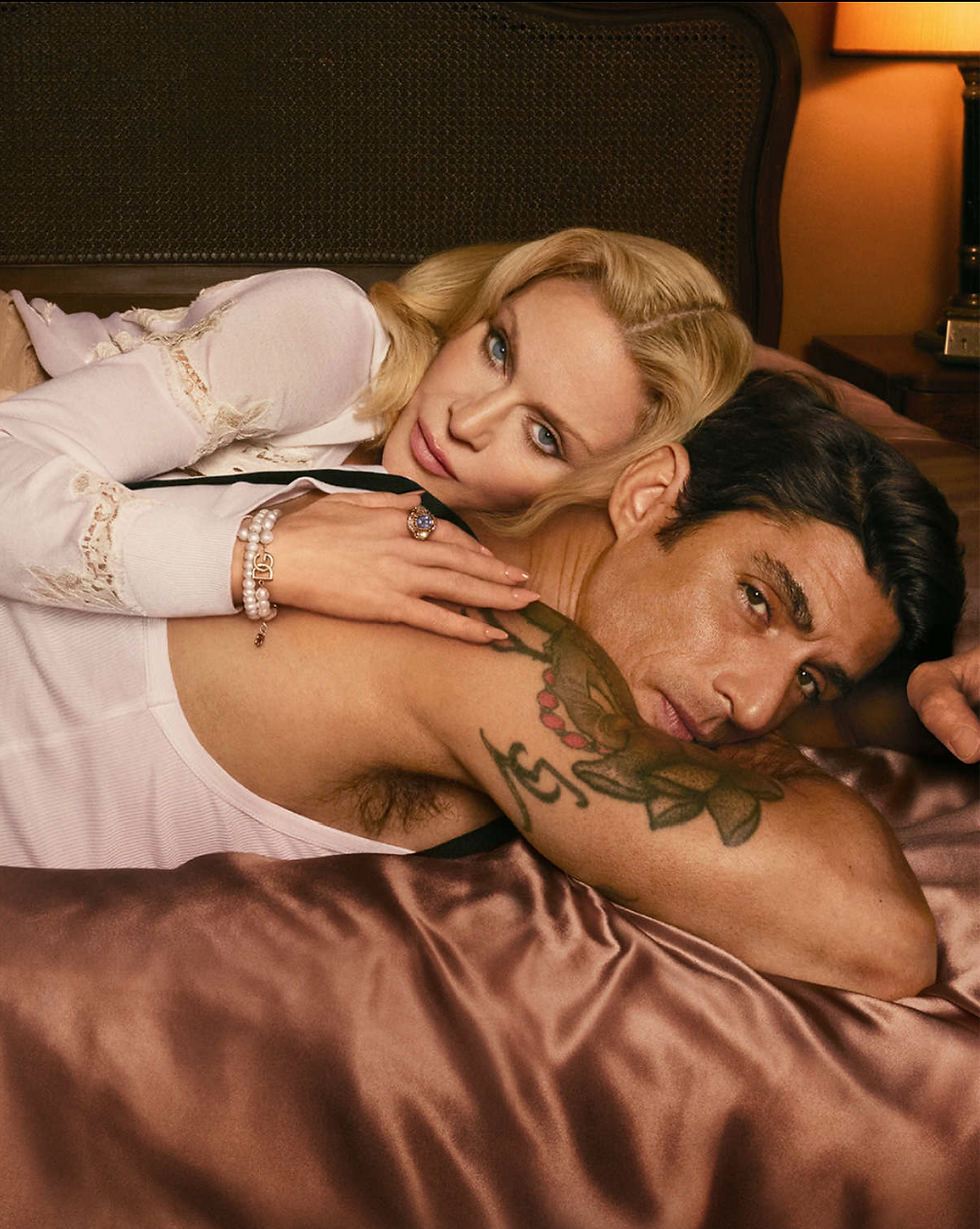
The Lover
The Lover archetype centers on emotion, beauty, and intimacy.
Brands with this identity aim to create strong sensory and emotional experiences. Luxury fashion, fragrance, and beauty brands often rely on this archetype to evoke desire and elegance.
The Jester
The Jester thrives on humor, spontaneity, and entertainment.
Brands that use this archetype seek to make customers smile. They often rely on bold visuals, witty messaging, and social media engagement to stand out.

The Caregiver
The Caregiver archetype reflects empathy, protection, and responsibility.
Healthcare organizations, nonprofits, and wellness brands often adopt this identity to communicate compassion and trust.

The Creator
Creator brands emphasize innovation, imagination, and originality.
Their identity revolves around building something new — whether that means design, technology, or artistic expression. Creative studios, agencies, and design-driven companies often align with this archetype.
The Ruler
The Ruler archetype symbolizes leadership, power, and prestige.
Luxury brands frequently adopt this identity to communicate authority and excellence.

Why Many Brands Combine Archetypes
In practice, most companies do not fit perfectly into a single category.
Instead, many brands adopt a primary archetype supported by a secondary one. For instance:
A medical clinic may combine Caregiver and Sage, blending empathy with expertise.
A technology company might embody Creator and Magician, emphasizing innovation and transformation.
A luxury brand could merge Ruler and Lover, balancing authority with emotional appeal.
This layered approach allows brands to maintain clarity while expressing a more nuanced identity.
The Strategic Role of Archetypes
Brand archetypes ultimately function as a strategic tool. By defining a brand personality early in the branding process, companies can create consistent messaging, visual identity, and customer experience.
In an era where consumers encounter thousands of brand messages every day, clarity of personality may be one of the most powerful ways for a company to stand out.
Because in the end, the brands people remember are not just the ones they see — they are the ones they feel they know.


Comments